
Our Work
The following are abstracts of some recent projects. These summaries are intended to illustrate the diversity of challenges we address and the range of industries in which we operate.
As the majority of our work involves confidential prototypes and proprietary technologies, we are unable to disclose detailed specifications or client-sensitive information.
ENERGY PROTOTYPE
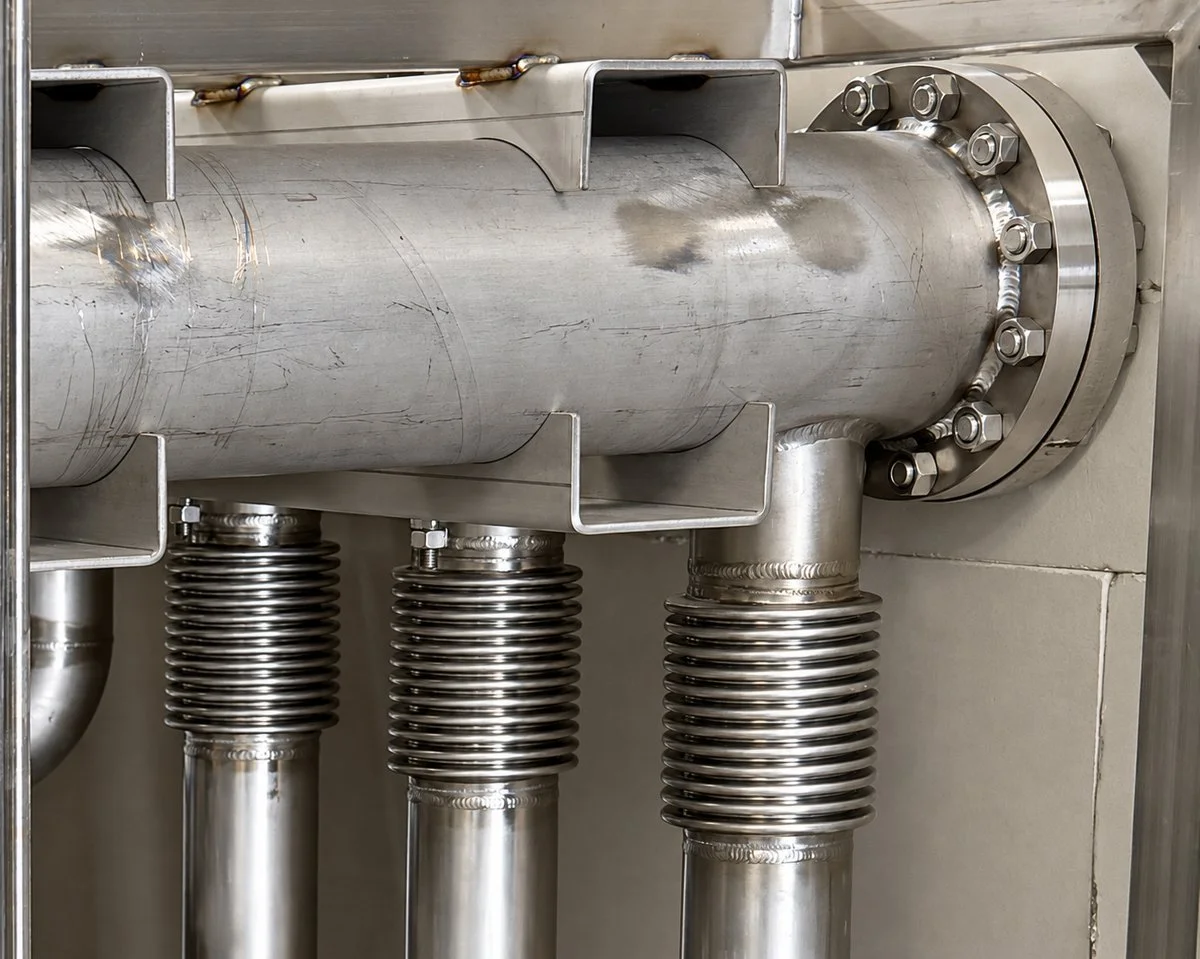
An energy-sector partner tasked us with creating a prototype system designed for high-temperature, high-pressure environments. The large-scale concept involved high-nickel alloys and a complex piping assembly.
Real-time problem solving allowed us to adjust designs on the shop floor—optimizing clearance, access, and durability before final fabrication.
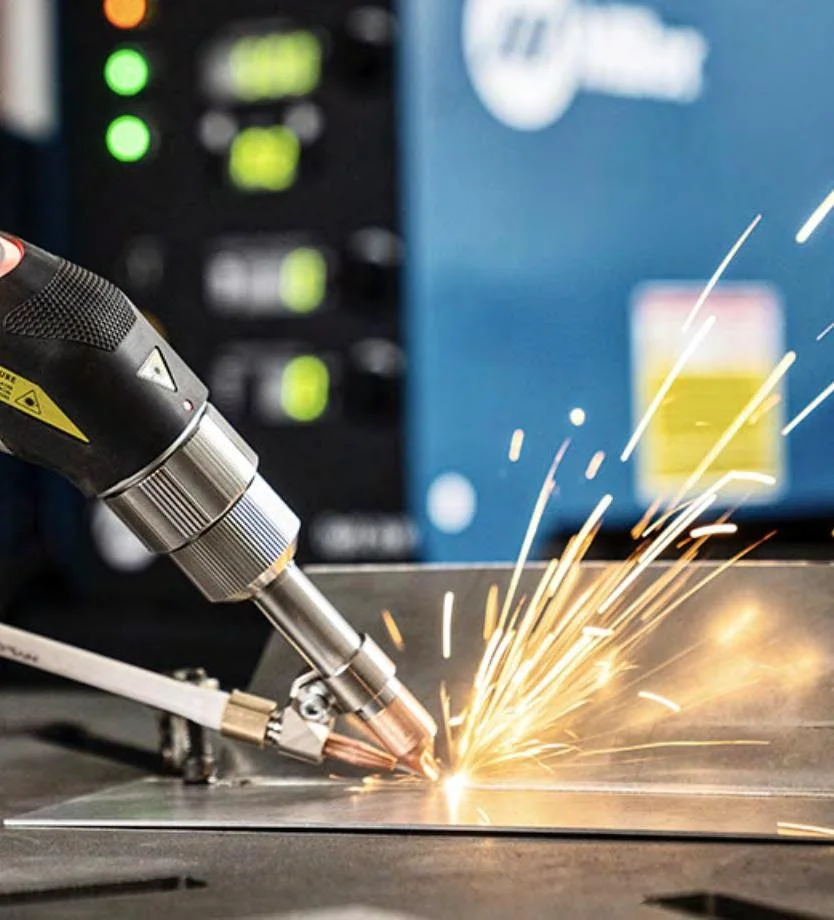
By combining laser welding with traditional TIG and MIG welding, our team delivered a first-of-its-kind prototype in record time.
What would have been a 24-month process through a conventional EPC was completed in significantly less time and on budget. We pride ourselves on prototyping tomorrow’s solutions, today.
PROTOTYPE FRAMING
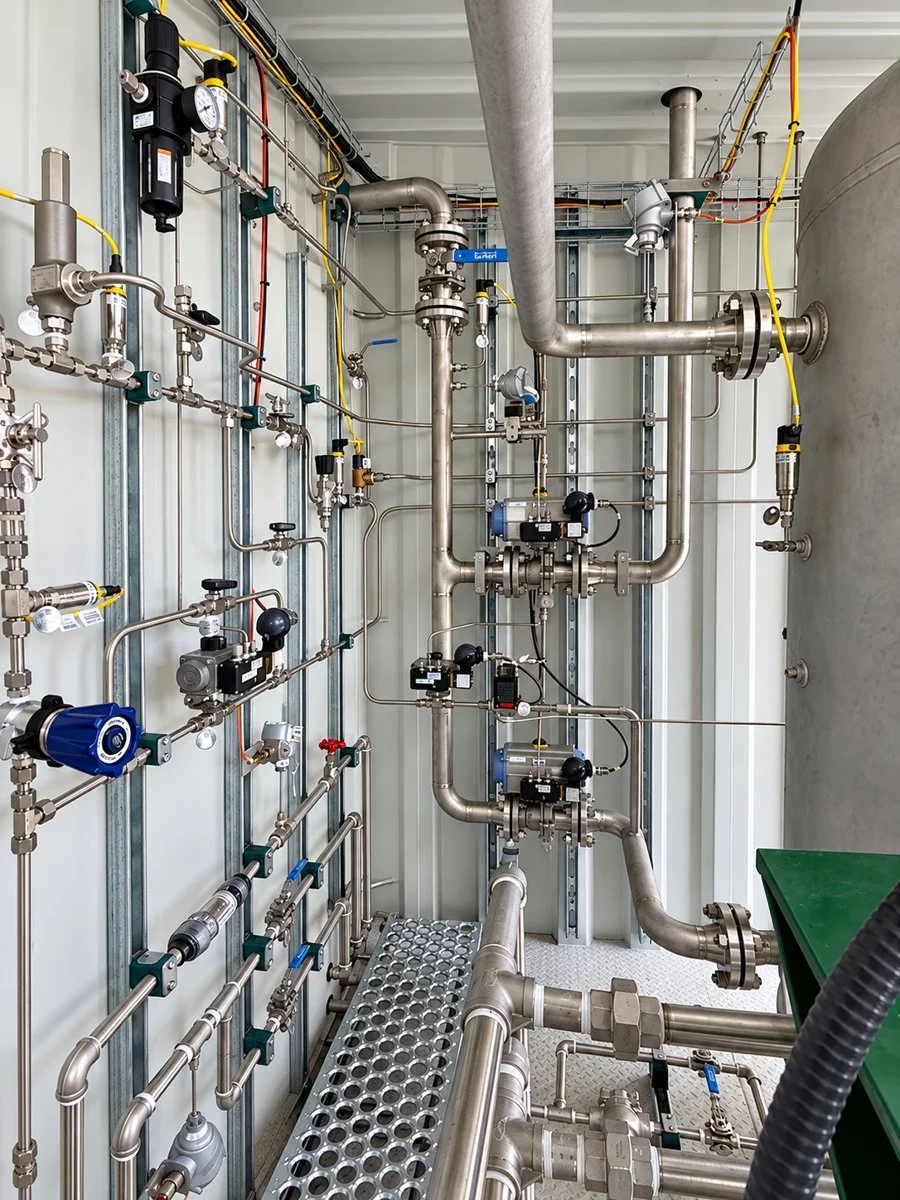
Many of our projects require supplemental framing or a dedicated superstructure to support and suspend components in space. This capability is a core competency, built on years of experience designing and fabricating custom safety cages for prototype race vehicles.
Our structures are engineered for strength and safety while remaining deliberately unobtrusive, preserving maximum access and flexibility. The result is a clean, professional installation that is efficient for clients to work within and around.
Materials and fabrication methods are selected on a project-specific basis to ensure optimal performance for each application.
ENGINEERING MEETS AGILITY
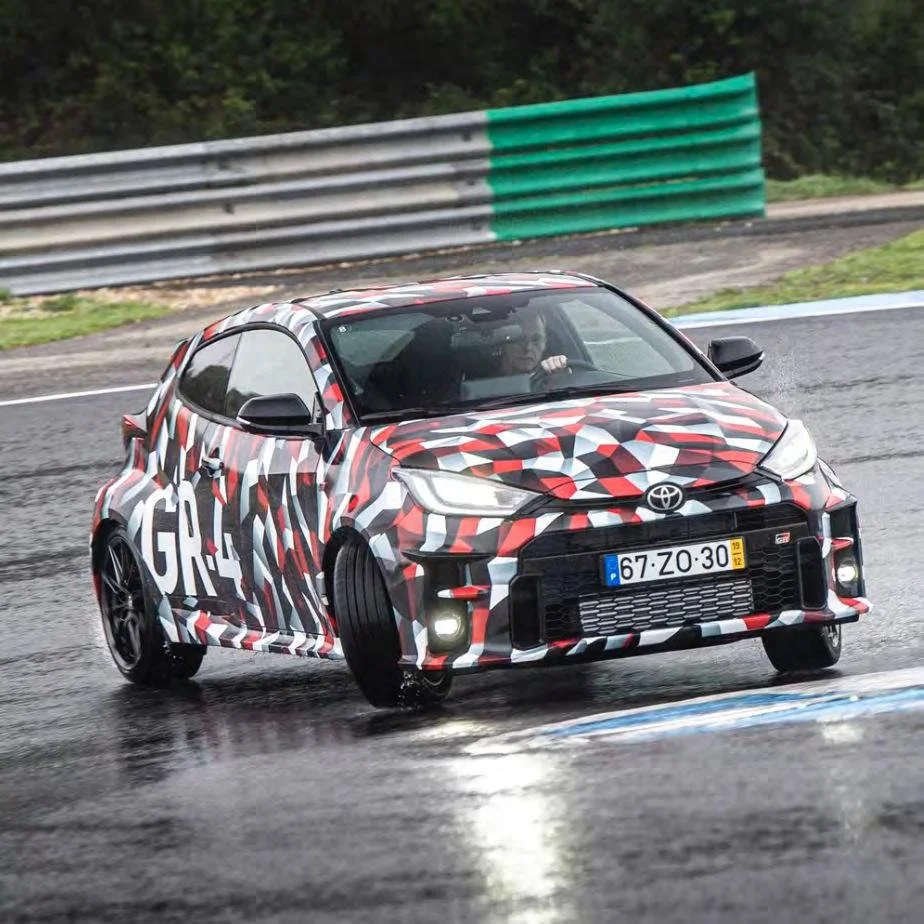
A leading automotive client came to us with an urgent challenge: integrate a next-generation prototype system into a working model for track testing in less than 12 months.
Traditional EPC firms couldn’t do it. We stepped in with our rapid prototyping mindset and advanced in-house tooling.
By leveraging our robust toolbox including additive 3D printing, CNC machining, laser cutting, and TIG welding, our team was able to complete the integration, working through client-side supplier changes for key parts and avoiding costly redesigns.
The client was able to hit its test window on schedule, gaining a competitive advantage. This is the essence of what we do: turning CAD into reality—fast, precise, and without compromise.
DESIGN REALIZED
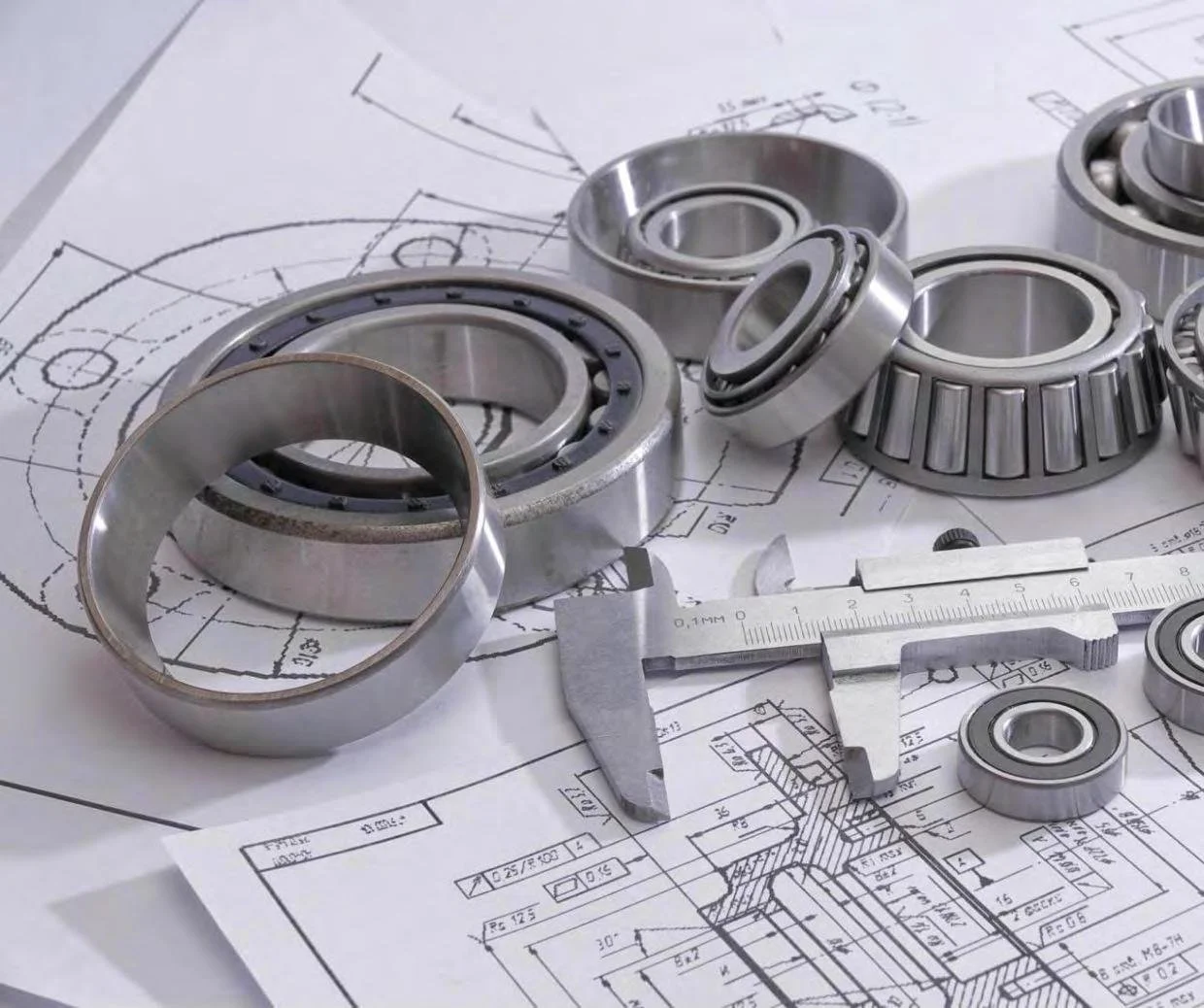
A client in advanced manufacturing handed us a CAD file for a complex assembly. On paper, it looked feasible; in reality, clearance and serviceability issues would have made the design unworkable.
Instead of simply fabricating the part, our team stepped in to identify the issues early and recommend design refinements. Using our fixture tables, laser welder, and inspection tools, we created a prototype that solved for clearance, improved weld access, and reduced long-term maintenance.
The client recognized not just the delivered product, but the problem-solving partnership that prevented wasted time and budget. For us, the goal isn’t just building what’s drawn—it’s ensuring the design is realized, and the problems are solved.
ELECTRICAL + WIRING
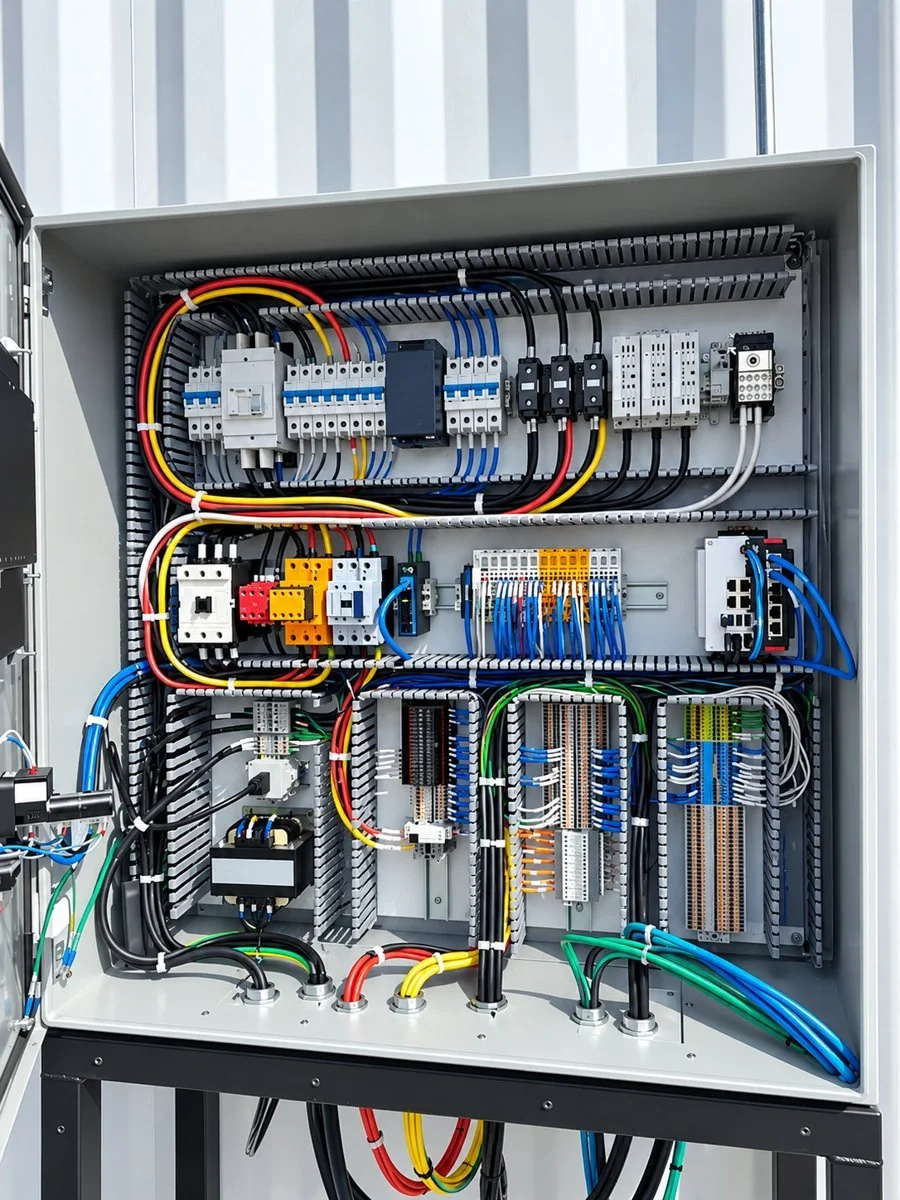
Drawing directly from our motorsports and advanced prototype background, our team has extensive experience across low-voltage, high-voltage, and military-spec electrical systems.
In-house electrical and wiring capabilities allow us to move quickly while maintaining the highest standards of reliability and craftsmanship.
By keeping wiring design, fabrication, and integration under one roof, we streamline development timelines, reduce dependency on third parties, and maintain control over quality and system architecture.
COMPONENT PROTOTYPING
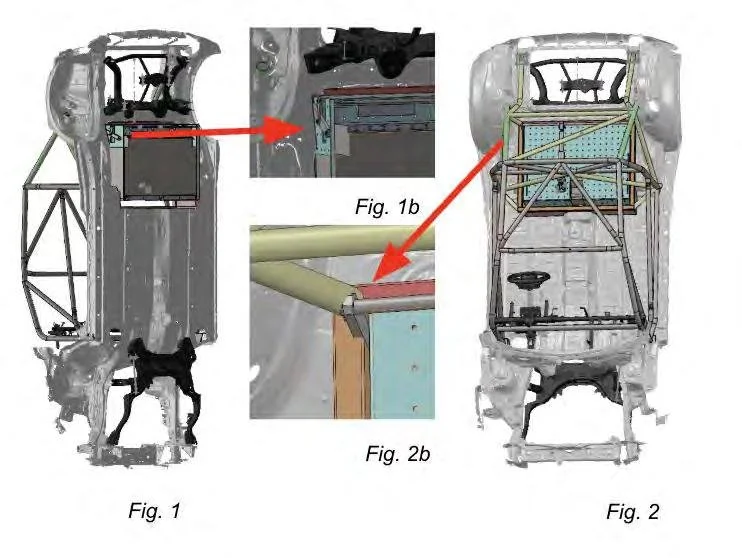
A collaborative project called on Papadakis Engineering to prototype an accessible vehicle stowage compartment with unusual functionality.
While part of the project group continued to explore the mechanics of the component on an offsite bench model, our team collaborated to advise on design adjustments to address real-world space limitations, potential stress points, appropriate build materials, and design refinements.
Working with provided data, our team built the piece into our CAD model for final review. Once approved, we built a functional prototype and installed it into its final location on the vehicle for real world testing.
TESTING & DEVELOPMENT
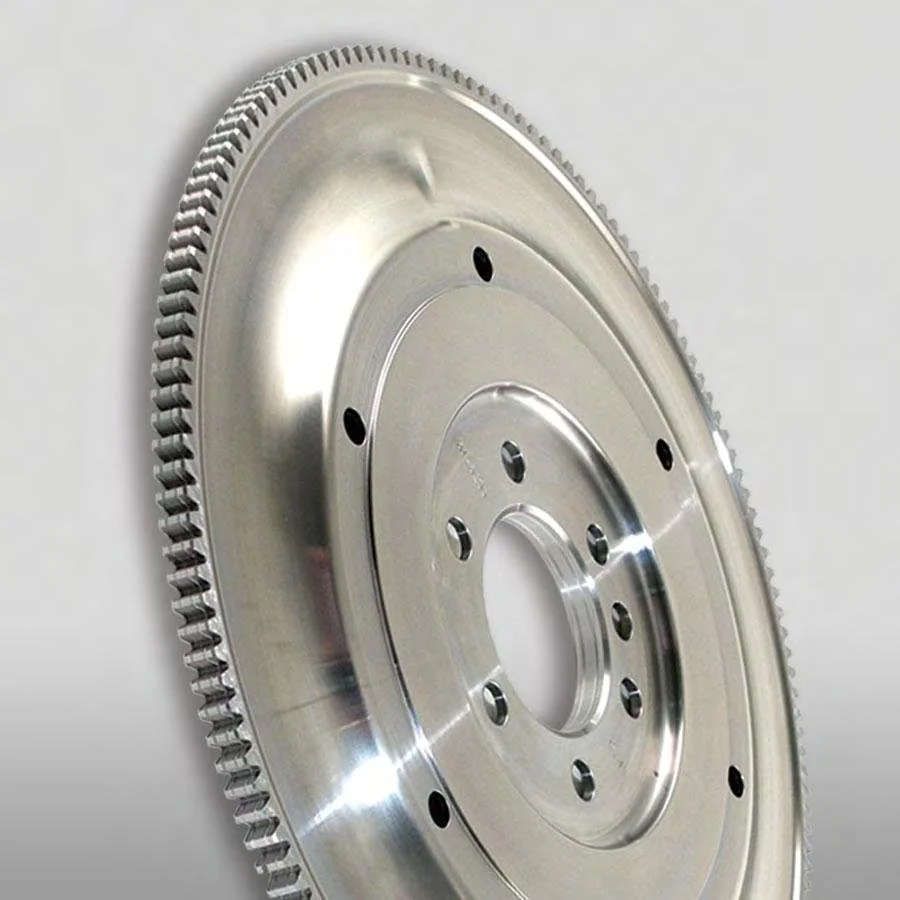
Papadakis Engineering identified an issue with heat stress in an automotive clutch assembly for a racing car. Working closely with the supplier’s engineering team, Papadakis Engineering delivered parameters to support the design, test and revision of the flywheel and clutch package.
A larger mass clutch was proposed to absorb heat energy, while compromises were evaluated around minimizing inertia to allow faster engine acceleration.The Papadakis Engineering team also specified an unique flywheel dimension.
Following several rounds of track testing and feedback, the resulting product package proved more resistant to heat stress and delivered a longer service life without sacrificing on-track performance.
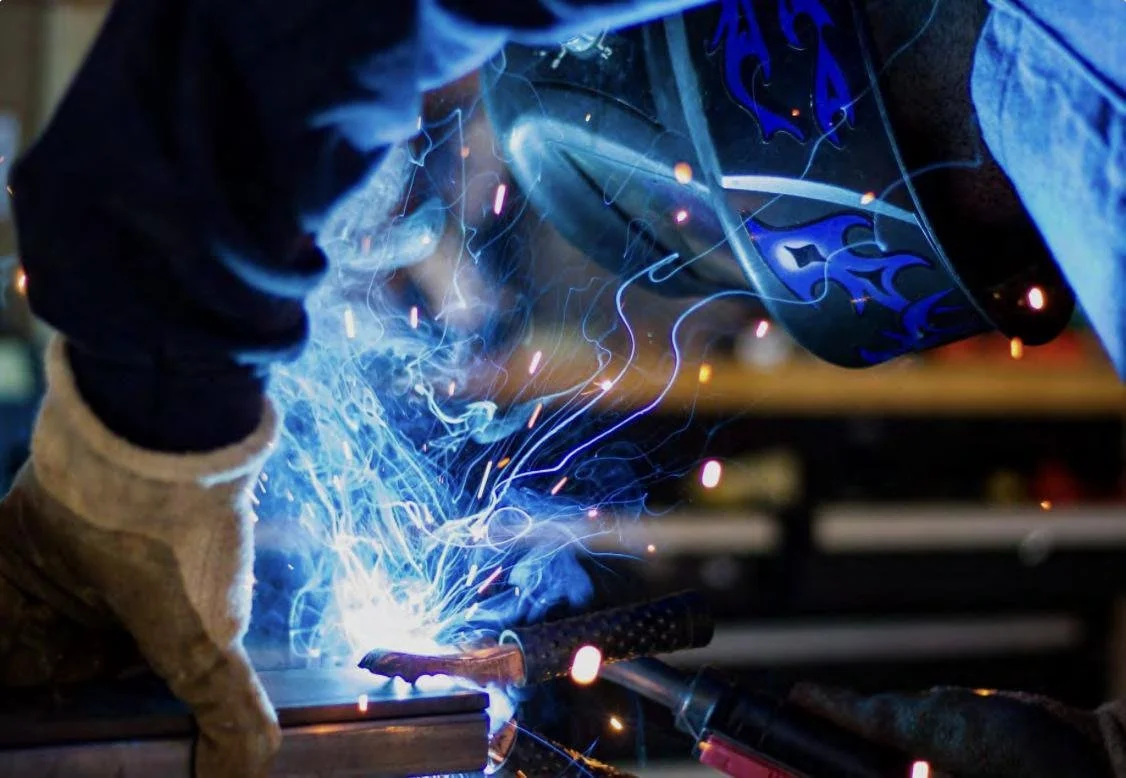
CUSTOM H2 FABRICATION
For a project initially commissioned by Boeing in 2016, Papadakis Engineering was contracted for the fabrication and welding of stainless H2 piping.
Papadakis Engineering’s certified welder completed the work in compliance with the required ASTM A-312 standard.
An added scope the following year saw the team revisit the project for revision and repairs of another contractor’s work, and an additional element added in 2018 included pressure vessel CNC machining, fabrication and welding.